
What the Upshur Owner Record Shows
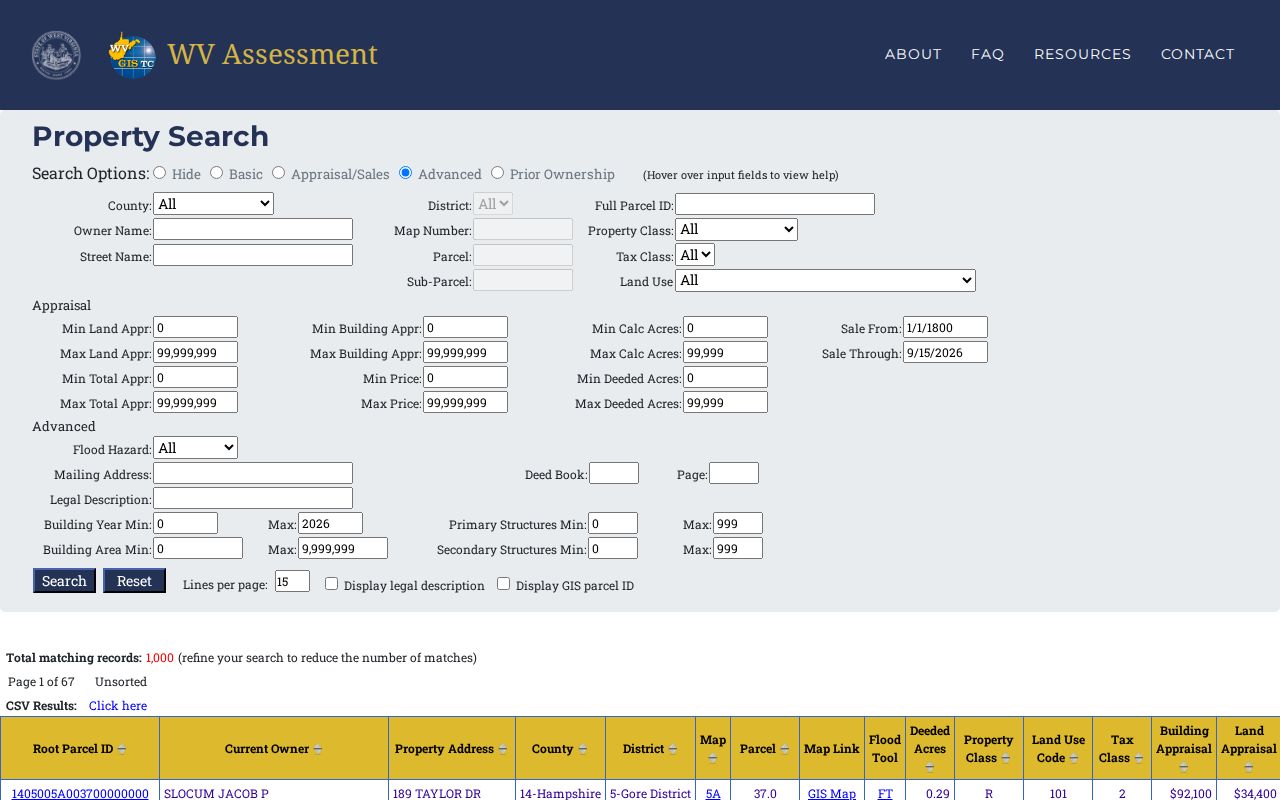
MapWV's public assessment result serves as Upshur County's clearest owner-of-record card. It lists the name attached to the assessed parcel. Mailing and situs addresses, the legal description, and the deed book and page often appear beside it. Sale data may show up too. Field details vary by parcel. Open the portal record for the exact property you need. The card also lists the parcel number and tax district. Sale data may show up too.
| Owner of record | Name entered on the current assessment roll |
|---|---|
| Mailing address | Address used for tax correspondence; may differ from situs |
| Situs address | Physical property location tied to the parcel |
| Last sale | Date and price if the current result exposes those fields |
| Deed reference | Book/page or instrument clue for the filed conveyance |
An owner-of-record entry is a roll line, not a residency claim. The mailing address may be a post-office box. It may sit outside Upshur County entirely. Keep it apart from the situs and use it only for a lawful property matter. When the owner is an entity, the record shows the legal name. It does not show the people behind it.
MapWV's Current Owner Card
The public owner-name query is one route into the current assessment card. It can expose the owner, mailing and situs addresses, and parcel identifiers. Value fields and any displayed deed reference may appear too. Keep a note of the tax year. Keep the parcel key too. The MapWV owner query is the source for the owner search. It also backs the assessment fields it makes available.
Upshur Mailing and Situs Lines
The situs address locates the land. The mailing address receives assessment and tax notices. A nonresident owner may list a post-office box, another home, or an out-of-county mailing address. Rural route wording and community names can also diverge from the current street string. Never use the mailing field to claim someone resides at the parcel. If the address carries a Buckhannon postal label, confirm the city boundary. Do this before raising a city permit question. South Buckhannon's community history explains why older deed wording and a modern street address may not align.
Entity Names on an Upshur Deed
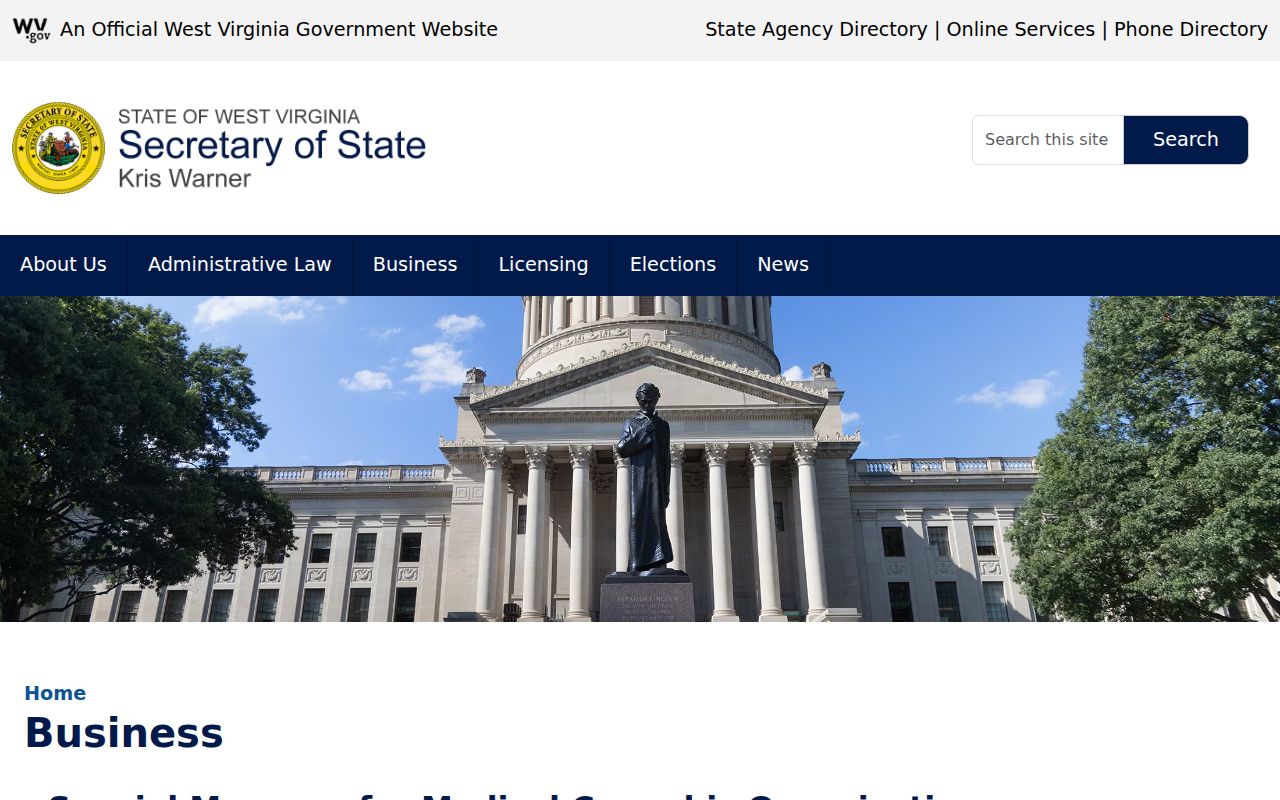
The owner of record may be an LLC or corporation. In that case, match the full legal name against the grantee on the deed. The West Virginia Secretary of State organization search lists an entity's name, type, status, address, number, and creation date. It also lists the registered agent. An advanced search accepts organization and agent or officer names, including wildcard terms. That result helps identify a party. It does not decide who owns a parcel. The West Virginia Secretary of State business-services hub links to the organization records. Those records help verify a deed grantee. Use the exact entity name shown on the instrument. The state search still will not identify a parcel's owner.
When the Upshur Roll Refreshes
The county publishes no routine assessment-roll refresh interval. It also lists no typical sale-to-roll lag for Upshur County. That uncertainty matters after a closing. Compare the date on the newest deed with the assessment entry. Ask the Assessor whether the ownership field has been updated for that parcel. An unchanged card is not proof that a deed went unrecorded. A lookup needing today's transfer status should start with the Clerk's most recently filed instrument. The current-owner detail belongs to the present record. Prior conveyances trace separately through the former-owner chain.
Confirm the Current Upshur Owner
Confirm the current owner against the latest recorded deed rather than a name alone. Begin with the assessor's parcel and owner entry. Then search the County Clerk's grantor-grantee index for the acquisition. Compare the deed's grantee, instrument date, legal description, and book and page with the assessment record. Check the grantee first. Match the instrument date next. Then compare the legal description and book and page. A fresh sale can precede the next roll refresh. The newest recorded instrument is the stronger transfer evidence.
- Search MapWV by the property's address or parcel ID and write down the displayed owner name.
- Save the district, map/parcel parts, legal description, and deed reference.
- Ask the County Clerk for the latest recorded instrument and compare the grantee and land description.
- If the grantee is a business, verify its exact legal name in the state entity search.
- Owner of record
- The party named in the current assessment entry.
- Assessment roll
- The Assessor's parcel and value record for the tax system.
- Situs
- The physical location of the property, separate from the mailing line.
- Recording lag
- The gap before a recent instrument appears in a later roll update.
Upshur's Latest Recorded Owner
The County Clerk files deeds, deeds of trust, liens, releases, plats, probate transfers, and other records. The Clerk's grantor-grantee index is open to the public in person. The county offers no public online deed index. Bring the assessor's legal description and owner name to make a focused request. Ask whether an image or copy is available for the recording period. The owner name is one field in a broader record. Compare the grantee, instrument date, parcel description, and book and page. Do not stop at a surname match. If the latest deed differs from the roll, ask the Assessor. Ask about the update schedule for that parcel. The deed record wins as the current evidence.
Contacting an Upshur Property Owner
The tax-mailing address is the channel for correspondence. For a routine parcel matter, it comes from the public record. It may not be a residence. Do not infer that the owner occupies the parcel. Do not use the record to track a person. West Virginia law restricts stalking and harassment. The state Address Confidentiality Program also gives eligible participants a substitute address. That address applies in dealings with government and other entities.
Lawful use. A current owner record supports a legitimate property question, not unwanted contact. Do not use a public name or mailing line to stalk, threaten, or harass anyone.