
Searching Upshur County Property Records
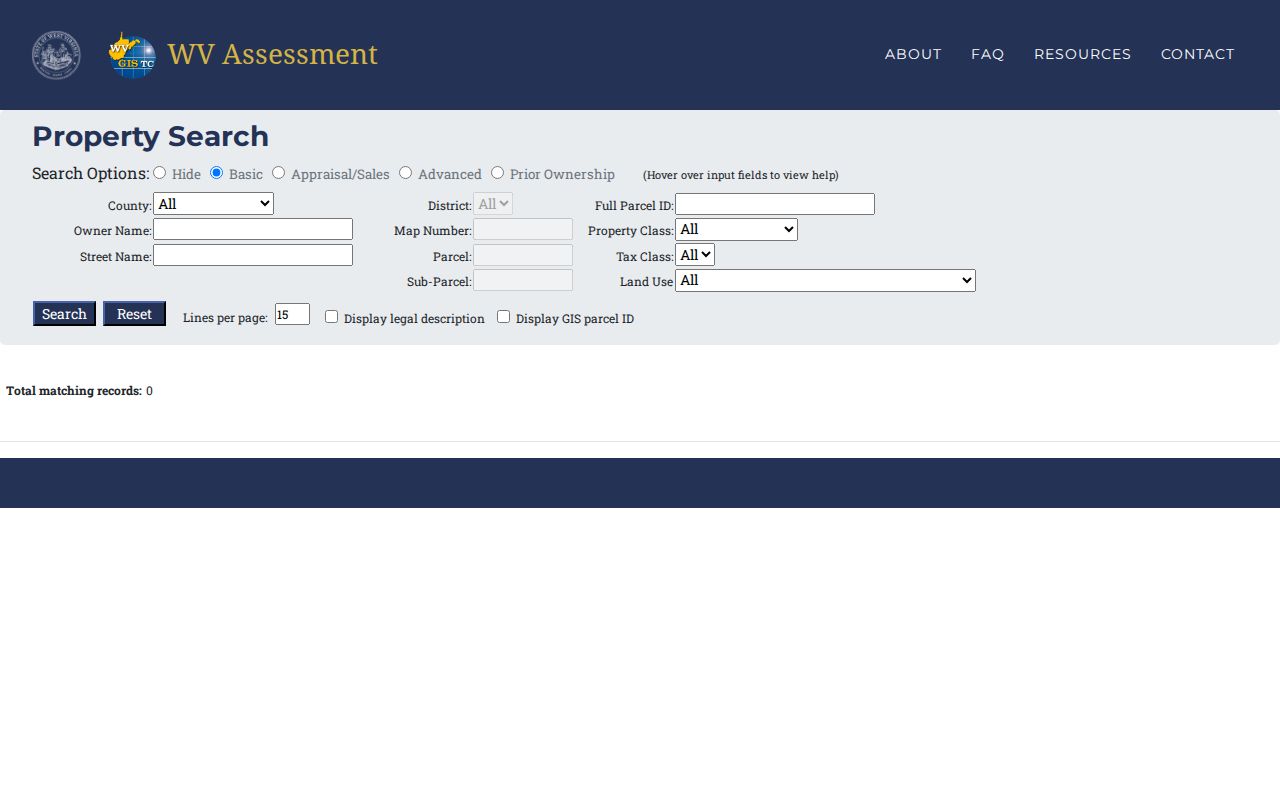
Most people start at MapWV, the West Virginia real estate assessment site. Its public form takes an owner name. It also accepts a street name, district, map number, parcel, sub-parcel, or legal description text. Rural routes and old addresses trip up exact matches. So try a partial street name first. Then compare the mailing address against the situs line. That way you can be sure you have the right parcel. Switch on the legal description and GIS parcel ID display before saving anything. Those fields survive road renamings and postal changes. That makes them the stable key for the next office.
Think of the search as a relay between custodians. The Assessor describes the parcel on the tax roll. The Clerk records deeds and liens. The sheriff or tax office tracks bills and delinquency, while MapWV maps the tax geometry itself. A roll entry can lag behind a fresh deed. A map line is never a survey. Keep the parcel ID, legal description, and deed reference together. Confirm each fact with the office that maintains it.
- Search the MapWV assessment form with the street, owner's name, or the known district and map number.
- Save the owner-of-record, mailing and situs addresses, full parcel ID, legal description, value, sale fields, and deed reference.
- Use the grantee name and legal description to ask the County Clerk for the recorded deed and related instruments.
- Open the parcel in the MapWV viewer and compare nearby polygons, tax-map material, and the displayed GIS ID.
- Ask the appropriate tax or records custodian for bills, older books, certified copies, or files that are not online.
Offices Holding Upshur Property Records
Upshur County's land records cluster near West Main Street in Buckhannon. The County Clerk keeps the grantor-grantee index and every recorded instrument. The Assessor maintains parcel ownership and valuation fields. The sheriff or tax office handles collection and delinquency. No single database spans all three. Call ahead about hours and copy prices. Ask which years can be searched before you drive over.
Upshur County Clerk
40 West Main Street, Room 101
Buckhannon, WV 26201
304-472-1068
Upshur County Assessor
38 West Main Street, Room 102
Buckhannon, WV 26201
304-472-4650
Real-Estate Tax Collection
Ask the Upshur sheriff or tax office for the current bill, payment status, delinquent-land list, and sale or redemption record.
The live county tax lookup was not verified.
MapWV Search Fields for Upshur
MapWV offers Upshur researchers far more than a simple street lookup. Four modes are available: Basic, Appraisal/Sales, Advanced, and Prior Ownership. Each mode exposes its own filters. These cover county, district, full parcel ID, owner, map number, property class, street name, parcel, tax class, sub-parcel, and land use. The appraisal and sales controls accept ranges too. Ranges work for land, building, total appraisal, acres, sale dates, and sale price. Advanced fields add flood hazard, mailing address, deed book and page, building year, building area, structure counts, and legal description.
The query is free and requires no login. It draws on current statewide assessment information. However, MapWV does not state how deep the Prior Ownership history runs. Use the display controls for the legal description and GIS parcel ID. Then save the values and the book/page reference exactly as shown. A blank field never proves a transaction or building feature was absent.
| MapWV field group | Useful fields | Why keep it |
|---|---|---|
| Identity | County, district, full parcel ID, map, parcel, sub-parcel | Cross-reference the exact tax parcel |
| Owner and address | Owner name, street name, mailing address | Separate the tax contact from the physical situs |
| Value and sale | Appraisal ranges, sale dates, price ranges | Review assessment history and sale clues |
| Land and structure | Acreage, land use, building year and area | Compare the parcel description with the site |
| Record links | Legal description, deed book, page, GIS ID | Carry a stable key to the clerk or map viewer |
The public MapWV assessment interface is the statewide form behind the county parcel search. It displays the portal itself rather than a live Upshur parcel record, and field labels are not guaranteed to match.
West Main's Upshur Records Circuit
The physical layout of Buckhannon suggests a natural research route. The Assessor sits at 38 West Main Street, Room 102. The County Clerk is at 40 West Main Street, Room 101. The Upshur County Historical Society Repository is across from the courthouse at 29 West Main. It receives researchers by appointment. So a visitor can turn an address into a tax-map key first, and carry the owner name or legal description to the Clerk next. Then finish at the Society, whose historic maps and published materials help interpret older community names.
These custodians are separate offices with separate duties. Ask the Clerk which older indexes can be searched at the counter. Ask which deed books or images exist, and what copy or certification charge applies. Contact the Society before counting on an appointment or reproduction plan. Hours and access shift, so confirm both before traveling.
For any deed-record request, the state directory entry for the Upshur County Clerk is a dependable starting point.

Upshur County Assessed Value
West Virginia generally assesses real property at 60 percent of its most current appraised or true-and-actual value. That ratio matters. The assessed figure on an Upshur parcel never equals what a buyer would pay. The MapWV form breaks out land appraisal, building appraisal, total appraisal, sale dates, and sale-price ranges. Record the tax year and every component before comparing parcels.
An owner disputing a valuation starts with assessor review. Then the owner follows the county review or Office of Tax Appeals route that fits. A valuation appeal to the Office of Tax Appeals is due by March 31 of the property tax year. Assessor review may be denied. Or no answer arrives by February 10, and the statutory deadlines then tighten fast. Hearing notices and rules shift from year to year. Confirm the current procedure with the assessor and the Office of Tax Appeals.
Record Types in Upshur County Files
One Upshur County parcel can leave footprints in several record sets. Each set records a different event or status. Knowing which one answers your question saves time. Start with the assessment entry when you need an address and parcel number. Use the Clerk's recorded book or instrument reference. It answers title and encumbrance questions. A city permit only adds project history, and only inside city limits.
| Record Type | What It Documents | Kept By | Access |
|---|---|---|---|
| Deeds and probate transfers | Conveyance, parties, legal description, and recording reference | County Clerk | Counter or written request; confirm image years |
| Deeds of trust and liens | Security interests, releases, easements, and restrictions | County Clerk | Grantor-grantee search; copy charge to verify |
| Assessment roll | Owner, situs, mailing, parcel, land and improvement values | County Assessor | Free MapWV search |
| Tax bills and delinquency | Amount billed, payment, sale, and redemption status | Sheriff / tax office and State Auditor | County channel; live URL not verified |
| Plats and GIS parcels | Lot layout, map key, and reference geometry | Clerk, Assessor, and WV GIS | Viewer and tax-map PDFs; limits apply |
A deed names both sides of a transfer: the grantor gives up an interest, and the grantee receives it. A tax roll is an assessment record, so do not confuse it with the deed itself. The Upshur County deed records page covers index requests and instruments, while the property tax records page walks through bills, delinquency, and the separate appeal path.
Parcel Maps Across Upshur County
MapWV ties its assessment results to a parcel viewer. The parcel ID is the bridge between the two. The viewer is handy for spotting roads. It shows neighboring tax parcels too. It also gives the rough outline of a tract. The West Virginia GIS clearinghouse also posts county tax-map PDFs, including a directory for Upshur. A PDF can help you pin down the district or map sheet to request. It is still a reference layer, though, never a boundary determination.
The assessor's tax-map material comes with limits on copying and redistribution. The clearinghouse likewise warns that its data carries no implied official status. When a fence, purchase, improvement, or dispute turns on the exact line, go beyond the viewer. Rely on the recorded plat and the deed calls. Then bring in a licensed surveyor. Near Buckhannon, also check the city boundary. A neighboring property can share a mailing identity while sitting under a different permit authority.
The West Virginia GIS clearinghouse links map services and downloadable resources. Use them to locate an Upshur tax-map sheet.
Buckhannon Permits and County Records
Buckhannon runs its own zoning and permit layer. It has no separate city assessor or recorder. Under the city's zoning ordinance, the permit officer keeps permit records. The officer sends copies to the County Assessor as West Virginia law requires. A permit can explain an improvement that later shows up in the assessment roll. It is not a deed, and it proves nothing about ownership.
The city publishes no address-indexed permit database. Ask City Hall for a permit history. Include the current address, any former street number, the parcel ID, the project type, and an approximate year. The published zoning application covers zoning requests only, not building or electrical permits. And check the city limit first. A Buckhannon mailing address does not guarantee the property sits under city zoning.
Upshur County's Post-1851 Record Trail
Upshur County dates to 1851. Buckhannon's official history places the first county court session on June 17 of that year. It was held at Andrew Poundstone's home. That is a useful institutional starting point. It is not a promise that every early deed book survives or is online. Land history before organization may point to predecessor Virginia jurisdictions. Let the legal description and chain guide any search from that era.
WVU Archives identifies an incomplete Upshur court record book covering 1853 through 1856. The Historical Society publishes abstracts of births from 1853 through 1897 and deaths from 1853 through 1928. Its repository notes that courthouse records are beginning to appear online. These layers are not the same. An abstract is a finding aid. A court book is a court record. A deed recorded with the Clerk is the land instrument.
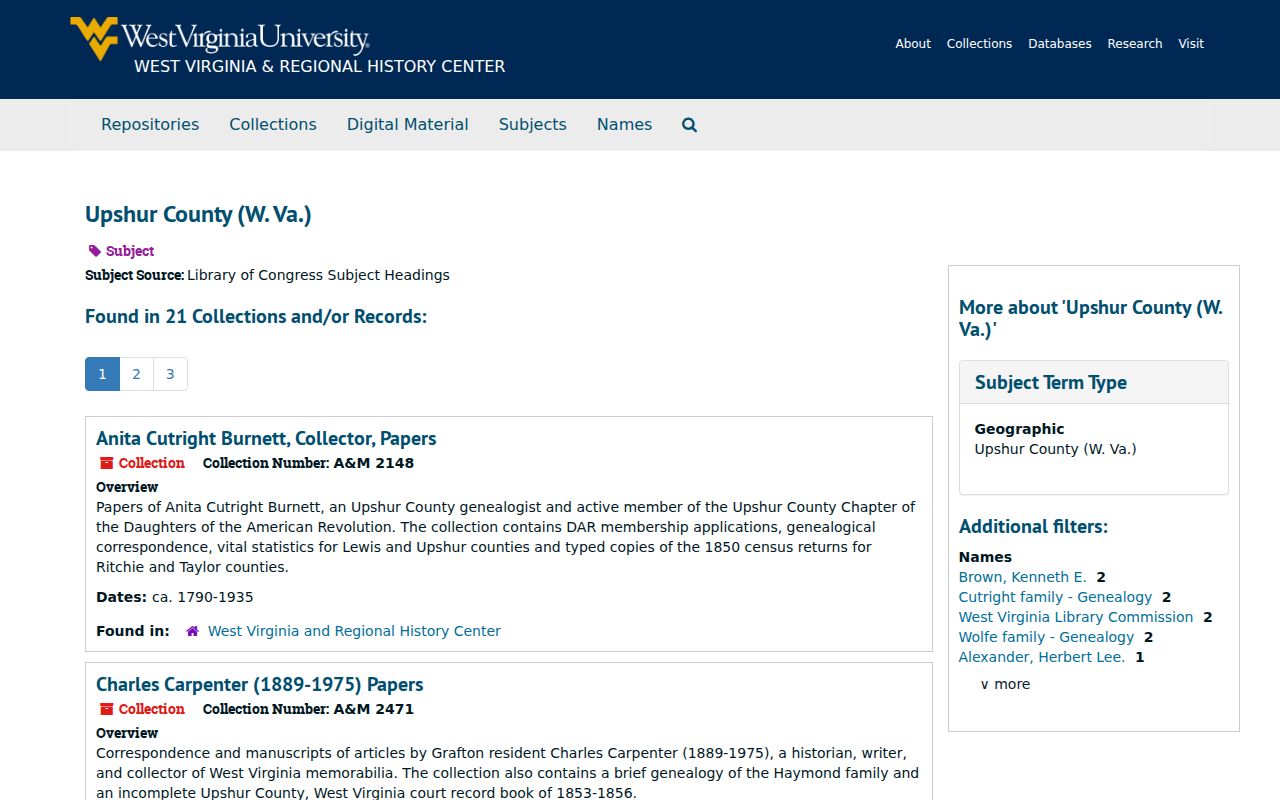
The WVU Upshur collections catalogue offers a route to the incomplete court book. It also reaches other local materials.
Upshur County Tax Sale Clues
A distressed-property question rarely lives in one file. The Clerk's index can hold a lis pendens, lien, or trustee report; the circuit docket may hold a foreclosure complaint or final order; and the sheriff or State Auditor keeps the tax-sale and redemption trail. An advertisement alone never proves the sale closed or that title changed. Match the parcel and owner of record first. Then chase the report, the order, the redemption status, and the later recorded deed.
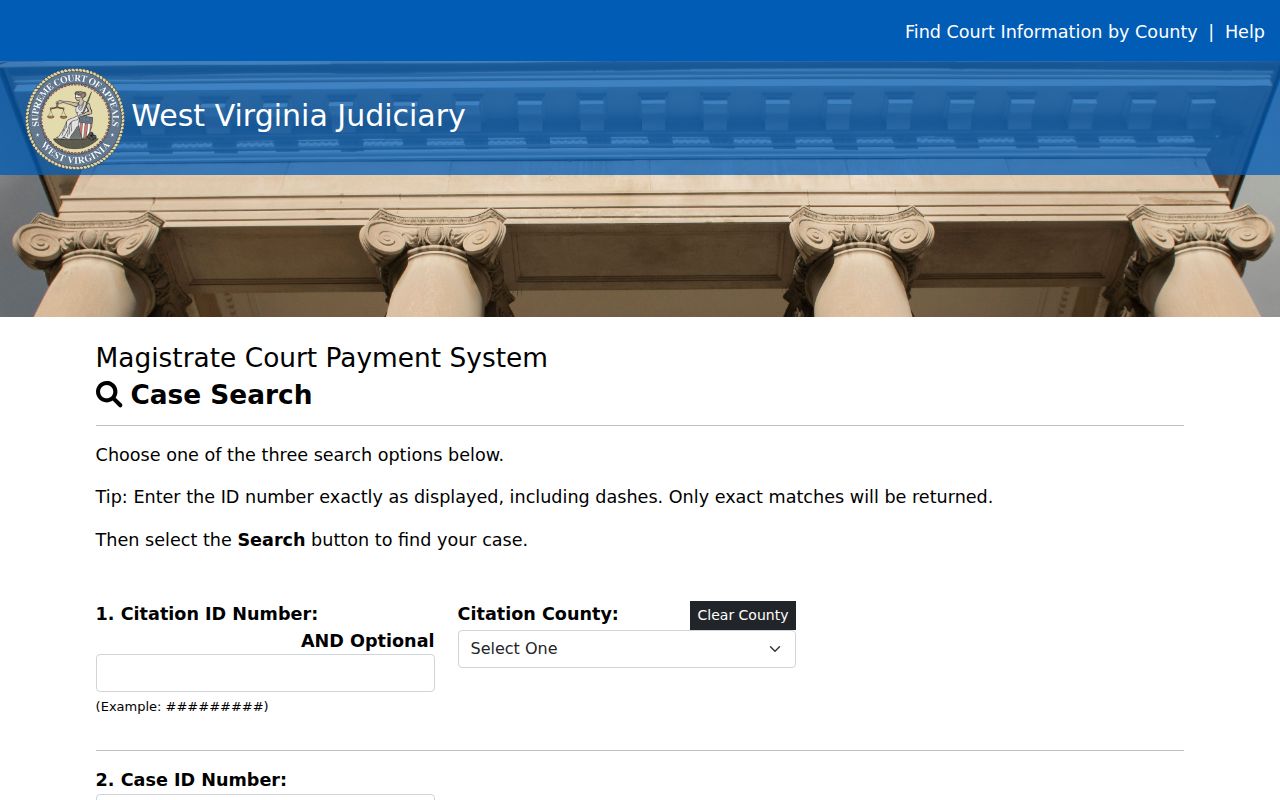
Upshur publishes no confirmed public tax-bill lookup. Ask the sheriff or tax office for the tax year, parcel, amount, sale date, and redemption status, and confirm any resulting transfer with the County Clerk. The statewide Magistrate Court search works by ID, not by address, so a property question belongs with the circuit clerk or the court file rather than a party-name guess.
The official Magistrate Court form is a separate route to case records; check the court file for any order relevant to the property.
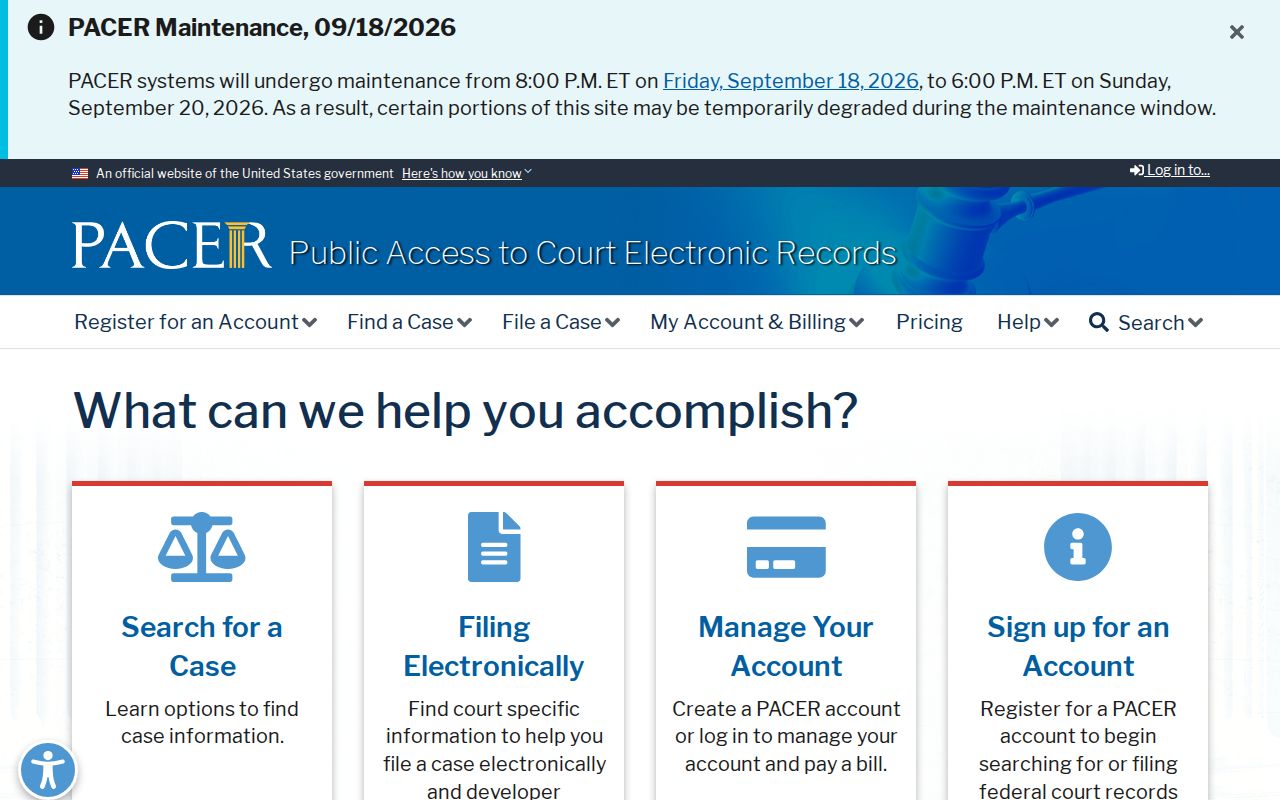
When a land-record search points to a federal case, the PACER service is the starting point for the federal-court docket. Its case information stays separate from the Upshur County deed index.
Requesting Upshur Records Under FOIA
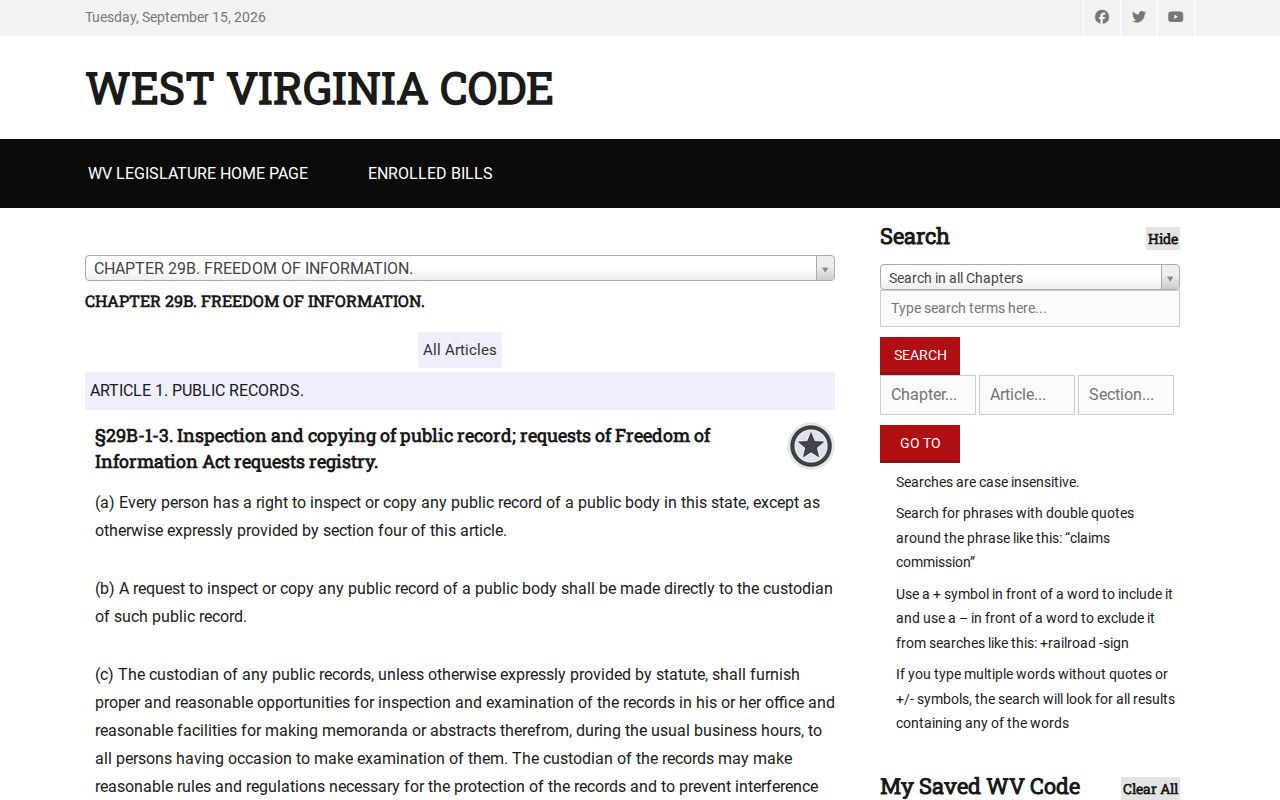
West Virginia's Freedom of Information Act lives in Chapter 29B. A sharp request names the record itself. Add the property address or parcel. Include the likely date range, the parties, and any book/page or instrument number you know. The custodian then has five business days, excluding weekends and legal holidays. In that time the office must produce the records, arrange inspection, or issue a written denial. Fees are limited to actual reproduction cost. Search and retrieval labor cannot be charged. The West Virginia FOIA statute spells out both that response window and the copy-cost rule.
Specificity matters more than scope here. Asking an office to research an open-ended ownership question rarely works. For a city permit history, give the address and the project type. For a deed, supply the parcel legal description along with the parties. Remember that exemptions still apply. A timely response does not obligate the office to disclose every record you requested.
Address Privacy in West Virginia
Public land records sit beside real privacy protections in West Virginia. The Address Confidentiality Program serves qualifying victims. It gives them a substitute address for dealings with government and other entities. It does not erase each independently recorded property interest. The voter-file statute adds its own limits. It restricts which fields are public, and it bars use of voter-list data for commercial solicitation, advertising, or resale reproduction.
Keep the work anchored to the parcel and the question at hand. Never publish protected identifiers. A public mailing address is not a tool for following or pressuring a person. For safety concerns, the Secretary of State's program page lays out its purpose and limits. It is not a crisis service.
Limits of Upshur Property Records
A public result is a lead, not a legal conclusion. The assessor's owner field can trail a recent conveyance. A MapWV line is reference geometry only. A displayed sale figure may not reflect a verified arm's-length price. Review the instrument and compare the legal description. Then consult a title professional or licensed surveyor whenever clear title or a boundary drives the decision.
Lawful use. Use owner and parcel information for ordinary property research, house history, tax review, and civic work. West Virginia law prohibits stalking and harassment; public access is not permission to target or intimidate a person.